

Everyday home health gadgets are designed to make wellness monitoring simple, accessible, and consistent. Devices like blood pressure monitors and non-contact infrared thermometers are commonly used at home to track vital signs, support routine checks, and provide peace of mind.
While accuracy and ease of use are often the main focus, power and reliability plays an equally important role in how effective these devices are in real-world home settings.

Why Power Readiness Matters for Home Health Monitoring
Most home health monitoring devices are used outside of clinical environments. They are often stored in drawers, cabinets, or bedside tables and brought out only when needed.
In these moments, readiness matters.
A device that is out of power or difficult to activate loses its usefulness, regardless of how advanced it is. For households that rely on health gadgets during unexpected situations — such as late-night fevers or sudden symptoms — reliable power becomes essential.
Battery-Powered Design and Everyday Convenience
Many modern home health gadgets are intentionally battery-powered. This design choice supports portability, ease of use, and flexible placement around the home.
Common advantages include:
-
No dependence on wall outlets during use
-
Simple setup without charging downtime
-
Continued usability during travel or brief power outages
-
Easy storage without cords or charging docks
Battery-powered devices are especially practical for health tools that may not be used daily but need to be ready at a moment’s notice.
Managing Power for Devices Used Infrequently but Urgently
Unlike fitness or lifestyle electronics, home health devices are often used as needed rather than continuously. This makes power management slightly different.
Helpful habits include:
-
Periodically checking battery levels
-
Keeping spare batteries accessible
-
Storing devices in easy-to-reach locations
-
Avoiding long-term storage in extreme temperatures
These simple steps help ensure that devices remain reliable when they are needed most.
The Role of Supporting Power Accessories at Home
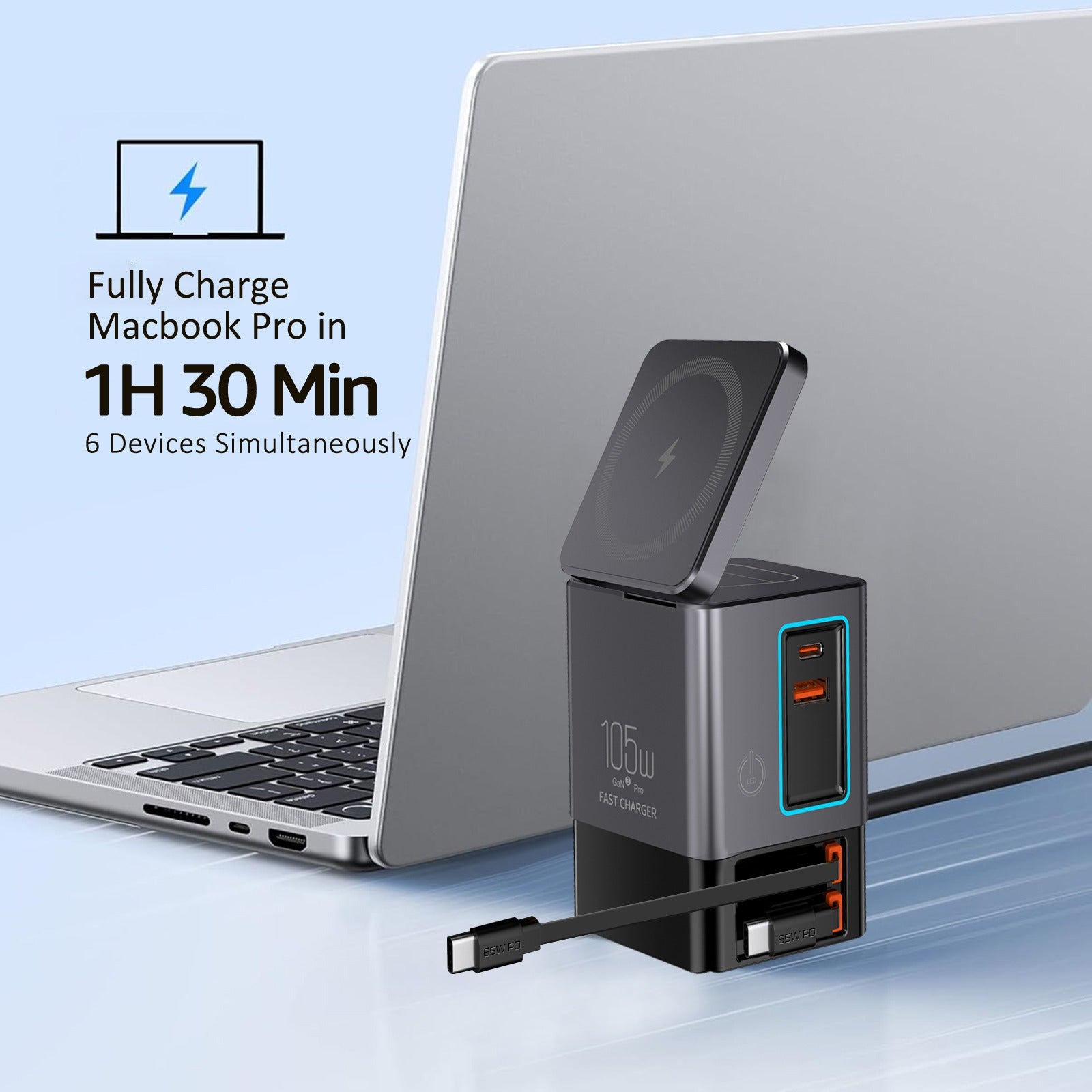
Although most home health gadgets do not require charging cables themselves, many households rely on supporting devices alongside health monitoring. Phones, tablets, and other everyday electronics are often used to log readings, look up information, or communicate with healthcare providers.
Reliable power accessories help keep these supporting devices available without adding clutter or complexity to the home.
Having a compact, reliable adapter available helps keep essential supporting devices powered without adding unnecessary complexity to everyday home setups.
Reliability Builds Consistent Health Habits
Consistency is one of the most important factors in effective home health monitoring. Devices that are easy to access, quick to activate, and reliably powered are more likely to be used regularly.
Over time, this consistency supports:
-
Better awareness of health trends
-
More informed conversations with healthcare professionals
-
Reduced stress during unexpected health concerns
In everyday home environments, reliability is not just a technical feature — it is what allows health gadgets to become part of sustainable routines.
Final Thoughts
Power and reliability are often overlooked when choosing home health gadgets, yet they play a critical role in everyday usability. Battery-powered designs, simple power habits, and dependable supporting accessories all contribute to making health monitoring practical and stress-free at home.
When health devices are ready when needed, they are more likely to be used consistently — helping households stay informed, prepared, and confident in their daily wellness routines.
For a broader look at the everyday health gadgets commonly used at home, see our guide to smart health monitoring tools for daily wellness.
